
Objective insight. Personalized brain training.
Practical nervous system regulation.
PBWI’s physician-led Brain Health Program combines advanced brain mapping with clinical assessment to better understand each individual’s patterns of brain function.
These findings are integrated with the client’s history, symptoms, goals, and other relevant clinical information to inform individualized recommendations and, when appropriate, a personalized neurofeedback program paired with mindfulness coaching.
The goal extends beyond symptom management. The program is designed to support improved nervous system regulation, cognitive flexibility, attention, emotional regulation, learning, resilience, and the ability to translate new skills into meaningful, sustainable changes in everyday life.
How Our Program Works
We begin by gathering objective, clinical, and self-reported information to better understand the client’s patterns of brain function, current concerns, goals, and day-to-day functioning.
Brain mapping data and assessment findings are reviewed together and translated into clear, individualized recommendations.
When neurofeedback is appropriate, a personalized training protocol is developed based on the client’s qEEG findings and broader clinical picture. Neurofeedback is paired with mindfulness coaching to help clients build practical nervous system regulation skills that can be applied in everyday life.
Progress is monitored over time through clinical feedback, ongoing assessment, and, when indicated, follow-up brain mapping. Recommendations and training protocols can then be refined as the client progresses and their needs evolve.
Comprehensive Brain Health Assessment
Every brain is different. Before recommending neurofeedback or other brain-based interventions, we first work to understand the individual. The assessment can include:
- 19-Channel qEEG Brain Mapping
- Baseline Psychometric Assessments
- Personalized Brain Health Report
- Physician-Led Expert Interpretation
This non-invasive assessment measures electrical activity across 19 areas of the brain, providing objective insight into patterns of brain function, regulation, and communication.
The brain map may provide insight into patterns related to:
- Focus and attention
- Memory and cognitive processing
- Sleep quality
- Stress response
- Mood and emotional regulation
Standardized psychometric assessments help us understand the individual’s current symptoms, emotional wellbeing, daily functioning, and quality of life as part of the initial assessment process.
These assessments help us:
- Establish a clear starting point
- Better understand current concerns
- Identify areas affecting daily life
- Inform personalized recommendations
- Measure changes and progress over time
The findings are organized into a clear, personalized report that connects the brain mapping data with the individual’s symptoms, experiences, and goals.
The report includes:
- A summary of the qEEG findings
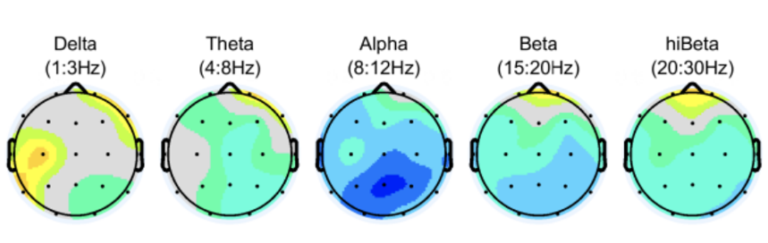
- Visual representations of brain activity
- Key patterns identified in the data
- How those patterns may relate to current concerns
- Personalized recommendations and areas of focus
The brain mapping data is reviewed and interpreted by our Board-Certified Director of Brain Mapping and Neurofeedback in collaboration with PBWI’s Medical Director.
Rather than looking at the brain map in isolation, the team reviews the qEEG findings alongside the client’s clinical history, standardized assessment results, current concerns, daily functioning, and goals. These findings are then brought together to develop individualized recommendations and determine whether neurofeedback or other supportive services may be appropriate.
The qEEG review includes evaluation of:
- Brainwave activity across key frequency bands, including delta, theta, alpha, beta, and high beta
- How brainwave patterns vary across different areas of the brain
- Patterns of relative overactivity or underactivity
- Communication and connectivity between brain regions
- Findings that may be associated with the client’s reported symptoms and functional concerns
- Patterns that may help inform personalized care and neurofeedback recommendations
Once the assessment findings have been reviewed, the Brain Health team integrates the information into a comprehensive clinical picture and develops clear, individualized recommendations for next steps.
Understand How Your Brain is Functioning
A qEEG Brain Map is a non-invasive assessment that measures the brain’s electrical activity and helps us understand how different areas of the brain are functioning and communicating. Brain mapping gives our team objective information to complement the clinical picture and helps inform individualized recommendations and neurofeedback protocols.
The information can help identify patterns that may correlate with concerns such as:
- Anxiety and chronic stress
- Sleep disruption
- Difficulty concentrating
- Brain fog
- Emotional dysregulation
- Mood instability
- Cognitive changes
- Trauma
- Nervous system dysregulation
- Burnout
- High-performance fatigue
- Recovery and psychiatric stabilization
Neurofeedback + Mindfulness Coaching
When neurofeedback is recommended, PBWI develops an individualized training protocol based on the client’s brain map findings and broader clinical picture.
Neurofeedback provides the brain with real-time feedback about its activity, allowing it to gradually learn more adaptive and regulated patterns. At PBWI, neurofeedback is paired with mindfulness coaching. While neurofeedback trains the brain through real-time feedback, coaching helps the client recognize their own nervous system states and develop practical skills for regulation outside of sessions.
The goal is not simply to create change during neurofeedback, it is to help the client carry that regulation into everyday life
Why Brain Regulation Matters
A person can understand what they want to change – and genuinely want to make that change – yet still struggle to put new behaviors into practice. Stress, trauma, poor sleep, anxiety, chronic pain, substance use, and other factors can influence patterns of brain and nervous system regulation, making it more difficult to respond flexibly and consistently in everyday life.
PBWI looks beyond symptoms alone. By combining brain mapping and clinical assessment with individualized neurofeedback and practical regulation skills, we aim to support the conditions needed for greater self-regulation, adaptability, learning, and meaningful behavior change.
FAQs
Getting started is simple:
- Fill out our Interest Form below to schedule your complimentary Brain Health Consultation.
- Our Care Manager will be in touch to determine program fit.
Yes. Collaboration with your existing physicians, therapists, and other providers is a core part of the PBWI model. With your permission, our team coordinates with your current providers to help ensure your care is connected, informed, and aligned with your overall treatment plan.
Our assessment phase is comprehensive. While each plan of care is tailored to the client, our assessments generally include:
- Brain Map using qEEG technology
- Pharmacogenetic testing
- Biopsychosocial assessments
- Comprehensive lifestyle assessment
- Other cognitive assessments
A qEEG brain map is a non-invasive assessment that records the brain’s electrical activity through sensors placed on the scalp.
It evaluates brainwave activity across key frequency bands – including delta, theta, alpha, beta, and gamma – from 19 locations across the scalp. These findings can provide insight into patterns that may be associated with attention, memory and cognitive processing, sleep, stress response, emotional regulation, and overall cognitive functioning.
At PBWI, the brain map is never interpreted in isolation. Findings are reviewed alongside your symptoms, health history, standardized assessment results, current level of functioning, and goals to help guide individualized recommendations and next steps.
PBWI’s Brain Health Program operates within a physician-led interdisciplinary model.
Brain data does not exist in isolation; findings are considered alongside the client’s clinical presentation, goals, lifestyle, existing treatment, and broader care team.
Neurofeedback is a non-invasive form of brain training that uses real-time feedback to help the brain recognize and adjust its activity patterns.
During a session, sensors placed on the scalp monitor brainwave activity while the individual receives visual or auditory feedback.
Over time, this training may help support healthier patterns related to focus, sleep, stress, emotional regulation, and cognitive performance.
While neurofeedback is a key component, our program goes beyond traditional brain training. We combine neurofeedback with advanced assessments, mindfulness coaching, and supportive wellness modalities to create a comprehensive, evidence-based plan tailored to each client’s goals.
This interdisciplinary approach enhances outcomes and supports long-term cognitive resilience.
Neurofeedback works through training and learning, and response varies from person to person. Some clients notice subtle changes early in the process, while more meaningful changes typically develop through repeated sessions as the brain learns and reinforces new patterns.
When treatment is recommended, PBWI determines frequency and duration based on the client’s brain map, clinical presentation, goals, readiness, and response to training.
Treatment is individualized. When neurofeedback is recommended following assessment, an initial course often includes approximately 12 facilitated Neurofeedback + Mindfulness Coaching sessions. Frequency may vary based on the client’s presentation, goals, readiness, and response to treatment.
We offer a range of supportive wellness services that complement our core program, including nutrition coaching, movement therapy, and stress management strategies. These services can be integrated into your personalized plan for a holistic approach to brain health. Explore our services here.
Yes. Our program is grounded in research on neuroplasticity, mindfulness-based interventions, and integrative health practices. These methods have been shown to improve cognitive function, emotional regulation, and overall well-being. To learn more, visit The Science.
Absolutely. Our program is designed not only for individuals managing challenges but also for those who want to proactively optimize brain health. Whether your goal is to maintain cognitive resilience, enhance focus, or improve emotional regulation, we offer tailored tracks which support peak brain function.
Optimizing brain health may positively impact multiple areas of life, including:
- Professional Performance: Improved focus, decision-making, and stress adaptability
- Emotional Well-being: Enhanced regulation and resilience
- Physical Health: Better sleep, energy, and lifestyle consistency
- Co-occurring Conditions: Support for managing anxiety, depression, and recovery goals
The goal of our approach is not just to optimize brain function, but to create tangible results which enhance quality of life.

Your Complimentary Consultation
We offer a complimentary 15-minute Brain Health Consultation to discuss your goals and share how our evidence-based approach supports optimal brain health. Connect with us today to explore whether our concierge, in-home program is the right fit for you.